 (Image via
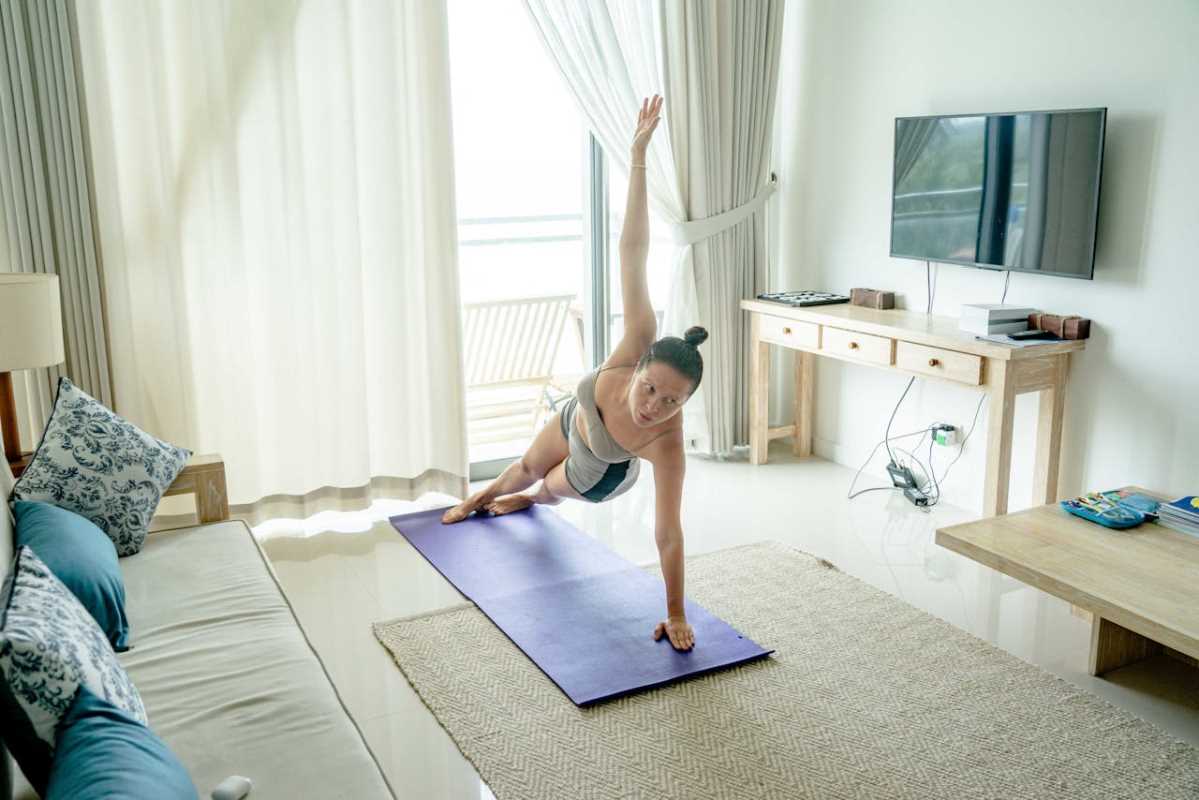
Many people experience lower back pain that makes everyday activities more challenging and uncomfortable. Using gentle Pilates exercises as part of your recovery can help you strengthen muscles, increase flexibility, and ease stiffness. You won’t have to buy specialized gear for these movements; a simple mat and a small ball or cushion will work well. Focusing on how your body moves with each exercise can make a noticeable difference in how your back feels over time. With commitment and regular practice, you can start to feel relief and regain confidence in your daily movements.
This guide dives right into what you need to know to set up a safe, effective routine. You’ll find clear explanations, specific exercises, and practical tips to track your progress. Let’s jump in and get your back feeling better, one move at a time.
Understanding Lower Back Rehabilitation
Recovering from lower back issues starts with the right mindset: patience and consistency. Rushing into intense workouts can worsen pain. Instead, give yourself permission to start slow and celebrate small wins like holding a neutral spine for a few extra seconds.
Lower back rehabilitation combines gentle movement, muscle re-education, and posture awareness. Your spine needs support from core muscles, glutes, and hips. When each of these areas shares the load evenly, you reduce pressure on your lumbar discs and nerves.
Basics of Pilates Techniques
Pilates emphasizes controlled, precise movements that target specific muscle groups. It focuses on breath control, body alignment, and core stability. At its core, Pilates helps you feel exactly which muscles are working and how they interact.
This method also depends on flow—linking moves together in a smooth sequence. That flow keeps your muscles warm, reduces the chance of jolts or abrupt strains, and builds functional strength. You’ll notice your body learns to support your spine naturally rather than forcing it into awkward positions.
Designing a Pilates Routine for Back Rehab
Before you begin, consult with a healthcare professional if you have a recent injury or surgery. Once you receive the go-ahead, choose three to five basic exercises and focus on them for two weeks before adding more complexity. This approach helps you learn each move thoroughly.
Structure your session with a clear warm-up, main set, and cool-down. Spend five minutes gently rolling your spine with pelvic tilts and cat-camel stretches. Then, move into the core of your routine with exercises that challenge your stability and coordination.
Key Exercises and Modifications
Here are some foundational moves you can try immediately. Each one has an easier version and a step-up challenge so you can adapt as your strength improves.
- Pelvic Curl: Lie on your back with knees bent. Press evenly through your feet and lift your pelvis until your body forms a straight line from shoulders to knees. Lower slowly.
- Modification: Lift just a few inches, focusing on core activation.
- Progression: Perform on one leg while the other stays bent.
- Single-Leg Stretch: Lie on your back, bring one knee toward your chest, and extend the other leg at a 45° angle. Switch legs in a controlled rhythm.
- Modification: Keep both feet on the floor and alternate lifting one knee at a time.
- Progression: Reach your hands behind your thigh to deepen the stretch.
- Bird Dog on Elbows: Start on hands and knees. Shift to forearms and extend opposite arm and leg parallel to the floor. Keep hips level.
- Modification: Reach arm only, keeping both knees down.
- Progression: Pulse the extended leg up and down slightly.
- Swan Prep: Lie on your stomach, place elbows under shoulders, lift chest using the back muscles. Keep neck long.
- Modification: Keep head resting on forearms for less lift.
- Progression: Straighten arms into full cobra-like position.
Remember to breathe evenly and keep a neutral pelvis to protect your lumbar region. Focus on quality of movement rather than quantity.
Tips for Safe Practice and Progression
- Check your alignment in a mirror or ask a friend to observe your posture. Adjust to prevent arching your lower back excessively.
- Stop immediately if you experience sharp pain. Mild muscle soreness is normal, but stabbing or shooting sensations indicate you should back off.
- Maintain sessions under 45 minutes. Overworking tired muscles can cause sloppy form and increase the risk of injury.
- Track how far you can flex and extend your range of motion. Use a simple ruler or app to record your progress over time.
- Rest at least one day between intense sessions. Use that time for gentle stretching or walking.
Following these steps helps you progress steadily and avoid setbacks. Listen to your body—rest when needed and push yourself when you feel ready.
Monitoring Progress and Signs of Improvement
Keep a brief exercise journal. Write down which moves you performed, the number of repetitions, and how your back felt before and after. You’ll begin to see patterns in your recovery process.
Notice key signs of improvement such as less stiffness in the morning, easier bending or reaching, and fewer pain flare-ups during daily activities. Celebrate these milestones by trying a new variation or increasing repetitions slightly.
Occasionally check in with a therapist or trainer, even if it’s just a quick video call to review your form. Fresh eyes can catch subtle shifts you might overlook on your own.
Practicing consistently helps strengthen the muscles around your spine and improves your confidence. Pay attention to how your back responds and move with increasing comfort and assurance.