 (Image source: Gemini)
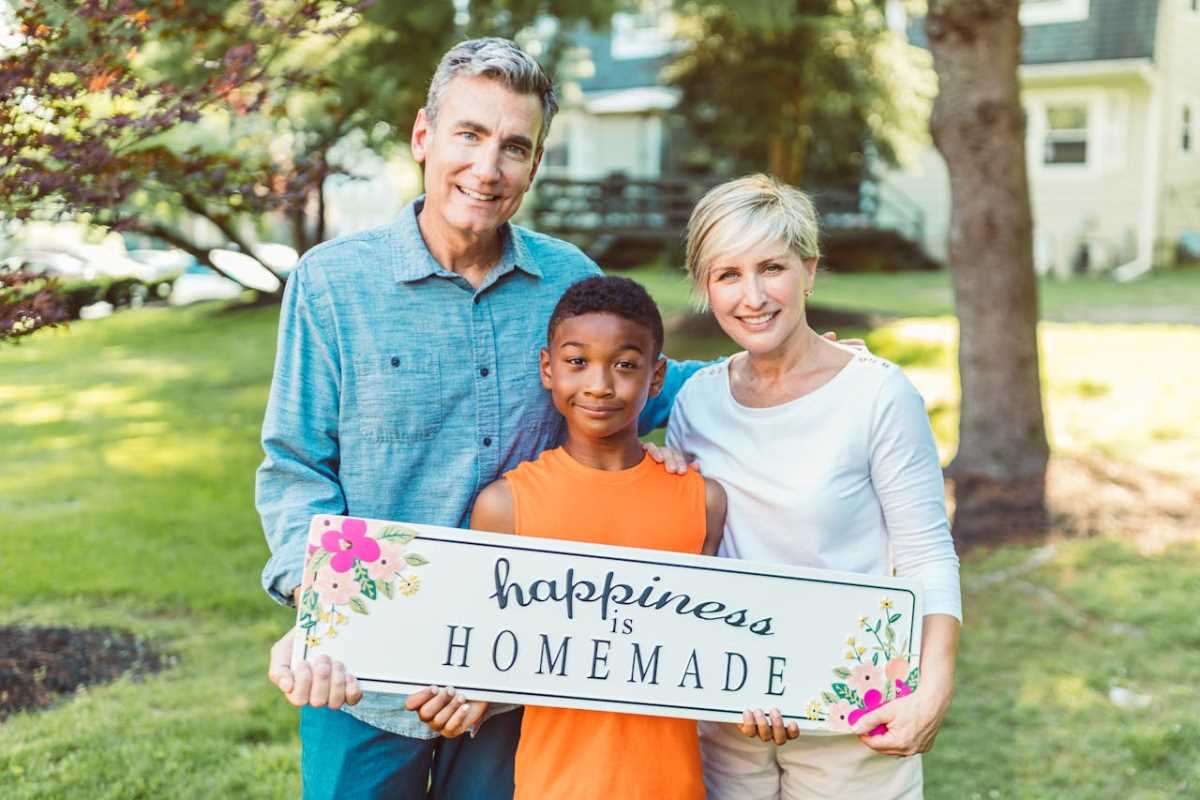
 We often think that building a strong family requires big, expensive gestures like a trip to a theme park or a massive holiday spread. But if you talk to any relationship expert, they’ll tell you the truth is much quieter. The health of your family is found in the small, boring, repetitive things you do every single day. These are your family lifestyle habits. Think of them like the invisible threads of a safety net. One thread doesn’t do much, but when you weave thousands of them together through consistent routines, you create something that can catch any member of the family when they fall.
Setting these rhythms is about being proactive rather than reactive. Instead of waiting for a blowout argument or a mental health crisis to address how everyone is doing, you build a home environment where emotional security is the default setting. It is a shift from just surviving the weekly grind to intentionally designing a life that keeps everyone connected.
Quality Time Without Distractions
We live in an age where our attention is the most valuable commodity on earth, and unfortunately, our families are often the ones who get the leftovers. One of the biggest shifts we’ve seen recently is a movement toward "Analog Wellness."⁷ This is all about intentionally logging off to actually "log on" to the people sitting right in front of you.
You don’t need to throw your routers in the trash, but you do need "sacred spaces." Many families are now implementing strict device-free zones, especially at the dinner table and in the car. Why the car? Because when you aren’t looking at a screen, you’re forced to look at each other or at least talk. These are the moments where the best conversations happen.
If you want to make this a reality, try these specific rituals
- The 30-Second Burst: This is a game-changer. It involves giving your child 30 seconds of completely undivided, eye-to-eye attention several times a day. No phone in your hand, no half-listening while you stir the pasta. Just you and them.
- High, Low, Buffalo: This is a dinner staple. Each person shares the best part of their day (High), the hardest part (Low), and something random or something they’re looking forward to (Buffalo). It moves the conversation past "How was school?" and "Fine."
- Weekend Morning Rituals: Whether it is a Saturday morning walk or a dedicated board game hour, these predictable moments create a sense of belonging. The Global Wellness Summit notes that this shift toward "Softcare" and retro hobbies is a major trend for a reason: it works.
Emotional Intelligence Through Open Communication
Emotional intelligence, or EQ, isn't something you’re just born with. It is a skill you have to practice, much like a sport or a musical instrument. Experts from the Yale Center for Emotional Intelligence suggest using the "RULER" framework to help everyone in the house manage their internal world.
So what does this actually mean in a real house with real messes? It means normalizing the fact that everyone has "big feelings." Instead of telling a frustrated toddler or a grumpy teenager to "calm down" (which, let’s be honest, has never worked in the history of parenting), you use emotion coaching. You recognize the emotion, label it with a specific word like "disappointed" or "overwhelmed," and then validate it before you try to fix anything.
The Gottman Institute is famous for the 5:1 ratio, which is a key stat to keep in your back pocket.³ For every one negative interaction you have with a family member, you need five positive ones to keep the "Emotional Bank Account" in the black. This is especially important during conflicts. If you start a difficult conversation with a "softened startup" - meaning you bring up the problem gently without blaming the other person - you have a 91% higher chance of the argument ending well.
Parental vulnerability is also a secret weapon here. When you admit to your kids that you had a hard day or that you made a mistake, you give them permission to be human too. It builds a bridge of trust that "perfect" parenting never could.
Shared Responsibilities and the Team-First Mindset
There is a big difference between a house that is "parent-led" and one that functions as a "family team." When parents do everything, they end up burnt out. In fact, reports show that about 82% of working parents are dealing with some level of burnout right now. Moving toward a team-first mindset isn't just about getting the laundry done; it is about building competence and a sense of contribution in your children.
Involving kids in household chores shouldn't be seen as a punishment. It is a way of saying, "You are a key part of this family, and we need your help to make this home run." When everyone has a stake in the daily operations, there is a greater sense of pride and cooperation.
Try moving toward family goal setting. Instead of just telling the kids what the rules are, have a 15-minute "State of the Union" every Sunday. Talk about what the upcoming week looks like, who needs a ride where, and what one thing the family wants to accomplish together. Maybe it’s a meatless Monday or a plan to clean out the garage. When you celebrate the small wins together, you reinforce the idea that you’re all on the same side.
Prioritizing Rest and Emotional Regulation as a Unit
We are currently living in a high-pressure world that rewards "the hustle," but that mindset is a fast track to family friction. Mood stability is directly tied to how well the family rests. If everyone is chronically underslept, the 5:1 ratio is going to be impossible to maintain.
Shared family meals are one of the best predictors of well-being, on par with household income. Recent data shows that 41% of families have increased their frequency of shared meals to help combat stress. It is a natural time to decompress and regulate together.
Consider these habits for the whole unit
- Co-regulation: When things get heated, practice deep-breathing exercises together. It sounds a bit "woo-woo" until you see it work. Calming the nervous system is a physical process, not just a mental one.
- Scheduled Down Time: Literally put "nothing" on the calendar. In 2026, if you don't schedule rest, it won't happen.
- Lighthouse Parenting: This is the gold standard for 2026.² You aren't a helicopter parent hovering over every move, and you aren't a "free-range" parent letting them drift. You are the lighthouse. You stay stable, you model self-care, and you provide the light that helps them handle their own waves.
This article on family lifestyle habits is for informational and educational purposes only. Readers are encouraged to consult qualified professionals and verify details with official sources before making decisions. This content does not constitute professional advice.